
12:00 | Registration, Tea & Networking |
12:25 | Special Feature: The Institutions That Made the Journey Possible
|
12:30 | Welcome & Opening Address
|
12:45 | Setting the Context: Public Health Research & Social Transformation
|
13:00 | The Journey: Personal Reflections on Working with Dr Shisana
|
13:15 | KEYNOTE REFLECTION
|
13:35 | Audience Questions & Reflections
|
13:50 | A Word of Thanks from the Author
|
14:00 | OFFICIAL BOOK LAUNCH
|
14:05 | Book Signing & Networking Reception
|
00
Days
00
Hours
00
Minutes
00
Seconds
AGENDA
SPEAKERS
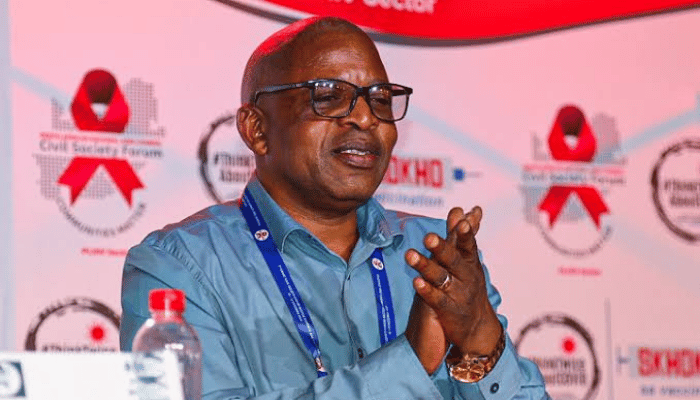
Mr. Solly Nduku
Chairperson of the South African National AIDS Council (SANAC) Civil Society Forum (CSF)
Mr Solly Nduku is a South African traditional health practitioner, health activist and civil society leader with extensive experience in traditional health, HIV and TB advocacy, health governance and community mobilisation.
He is the Chairperson of the South African National AIDS Council (SANAC) Civil Society Forum (CSF), which represents 18 civil society sectors in South Africa’s HIV, TB and STI response. He has represented the Traditional Health Practitioners sector within the SANAC CSF since 2009 and previously served as the Forum’s First Deputy Chairperson from 2017 to June 2024.
Nduku is also the General Secretary of the National Unitary Professional Association for African Traditional Health Practitioners of South Africa (NUPAATHPSA). As a traditional health practitioner, he has more than three decades of experience and has advocated for the recognition, professionalisation and meaningful integration of traditional health practitioners into South Africa’s health system.
His leadership extends to global health and health-sector governance. He previously served as Co-Chairperson of the Global Fund Country Coordinating Mechanism and was the lead representative of Traditional Health Practitioners and Allied Health Professionals in the 2019 Presidential Health Compact.
Through his work in SANAC and the traditional health sector, Nduku has consistently championed community participation, indigenous knowledge, traditional medicine, HIV and TB prevention, health equity and collaboration between traditional and biomedical health systems. He continues to contribute to national conversations on strengthening South Africa’s public health response and ensuring that community and traditional health practitioner voices are reflected in health policy.
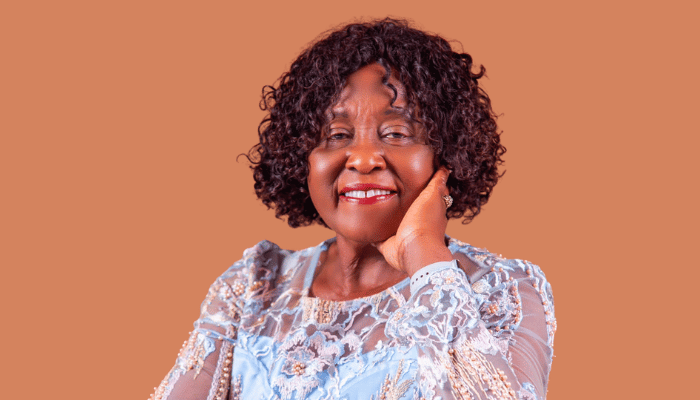
Professor Olive Shisana
Doctor of Science (ScD)
Professor Olive Shisana, ScD is a distinguished South African public health scientist, researcher, policy advisor and health-sector leader with more than three decades of experience in public health, health systems, HIV/AIDS research, policy development and international health.
Prof. Shisana holds a Doctor of Science (ScD) from Johns Hopkins University School of Public Health and has built an extensive career spanning academia, government, research institutions and international organisations. She served as Director-General of the South African Department of Health, becoming the first woman to head the country’s national health services. She subsequently served as Executive Director of Family and Community Health at the World Health Organization (WHO) and as a professor of health systems management and policy.
She joined the Human Sciences Research Council (HSRC) in 2001 and became its first woman and first Black woman President and CEO in 2005, serving in the position until 2015. During her tenure, she strengthened the organisation’s focus on large-scale, evidence-based research designed to inform public policy.
A leading authority on HIV surveillance and public health research, Prof. Shisana has been instrumental in major national household surveys examining HIV prevalence, risk behaviours and attitudes in South Africa. Her research has contributed significantly to understanding the country’s HIV epidemic and informing national responses to HIV/AIDS.
At international level, she served as President of the International Social Science Council, promoting international collaboration and the contribution of social science to global development. She has also served on numerous national and international scientific committees and advisory bodies.
More recently, Prof. Shisana has focused strongly on Universal Health Coverage (UHC), National Health Insurance (NHI), health-system strengthening and evidence-informed policymaking. She served as Social Policy Special Advisor to President Cyril Ramaphosa for six and a half years and chaired the Ministerial Advisory Committee on National Health Insurance.
Today, she continues her work through Evidence Based Solutions, where she applies research and policy expertise to advancing health and social development. Her career is characterised by a commitment to evidence-based policymaking, health equity, universal health coverage and transforming health systems to improve the lives of South Africans and communities globally.
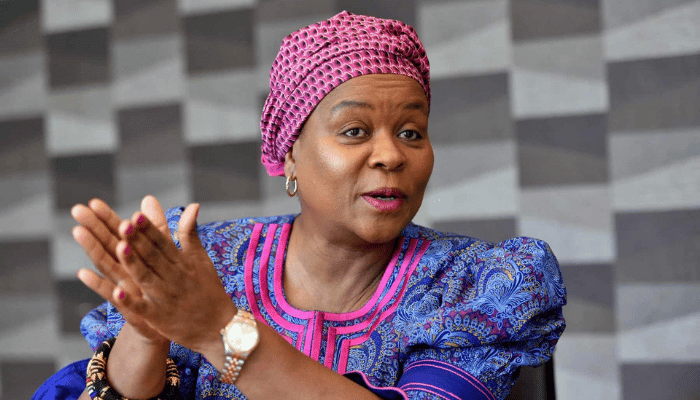
Dr Gwen Malegwale Ramokgopa
Treasurer-General of the African National Congress (ANC)
Dr Gwen Malegwale Ramokgopa is a South African medical doctor, public health specialist, political leader and experienced public-sector administrator whose career has focused strongly on health systems, public health, primary healthcare and community development. Born and raised in Atteridgeville, Pretoria, she qualified as a medical doctor from the Medical University of South Africa (MEDUNSA) in 1989 and later obtained a Master’s degree in Public Health, specialising in epidemiology.
Dr Ramokgopa began her medical career at Ga-Rankuwa Hospital before joining the Independent Development Trust, where she worked on health programmes and the development of healthcare infrastructure during South Africa’s transition to democracy. She subsequently entered public-sector leadership and served as Gauteng MEC for Health from 1999 to 2006.
In 2006, she became the first female Executive Mayor of Tshwane, serving until 2010. She was subsequently appointed Deputy Minister of Health in the national government, a position she held from 2010 to 2014. During this period, she was involved in national health priorities including strengthening primary healthcare and improving health outcomes.
Dr Ramokgopa returned to the Gauteng Department of Health as MEC for Health from 2017 to 2019, where she focused on improving service delivery, quality of care, health-system management and patient experience.
Beyond government, she has held leadership and governance positions in various organisations and served as Chancellor of Tshwane University of Technology. She is also involved in community and social-development initiatives through the Dr Gwen Ramokgopa Foundation.
Since December 2022, Dr Ramokgopa has served as Treasurer-General of the African National Congress (ANC), making her one of the senior figures in the organisation’s national leadership. Her career reflects a longstanding commitment to public health, health equity, women’s leadership, community development and public service.
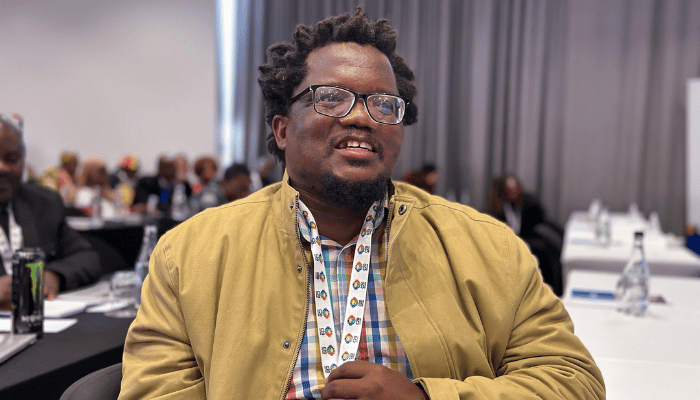
Mabalane Mfundisi
South African civil society leader
Mabalane Mfundisi is a South African civil society leader, public health advocate and HIV prevention specialist with more than two decades of experience in HIV and TB advocacy, community mobilisation, health policy, civil society leadership and non-profit management. He is the Executive Director of Show Me Your Number (SMYN), an organisation he helped establish as a national HIV prevention initiative using sport, arts and culture as platforms for health education and social mobilisation.
Mfundisi has played a significant role within the South African National AIDS Council (SANAC) Civil Society Forum (CSF), including leadership within the Sport, Arts and Culture sector and participation in health-systems strengthening and resource-mobilisation structures. He has been actively involved in advocacy on HIV, TB, human rights and strengthening community participation in South Africa’s health response.
During the COVID-19 pandemic, he served as Volunteer Convener of the Community Constituency COVID-19 Front (CCF), with SMYN acting as the managing organisation for the initiative. The CCF brought together a broad network of civil society organisations to support community-based responses to COVID-19, including advocacy, social mobilisation, communications and access to essential services.
Mfundisi has also contributed to national and international policy discussions on HIV, TB and health equity. In 2024, he was involved in civil society advocacy calling for stronger political action and implementation of South Africa’s National Strategic Plan for HIV, TB and STIs 2023–2028.
More recently, Mfundisi has taken on a prominent role in South Africa’s Civil 20 (C20) process, serving as C20 South Africa Sherpa alongside Chairperson Thulani Tshefuta and Co-Chairperson Sheila Mbele. In this role, he contributes to coordinating civil society engagement with the G20 process and ensuring that grassroots and civil society priorities are reflected in global policy discussions.
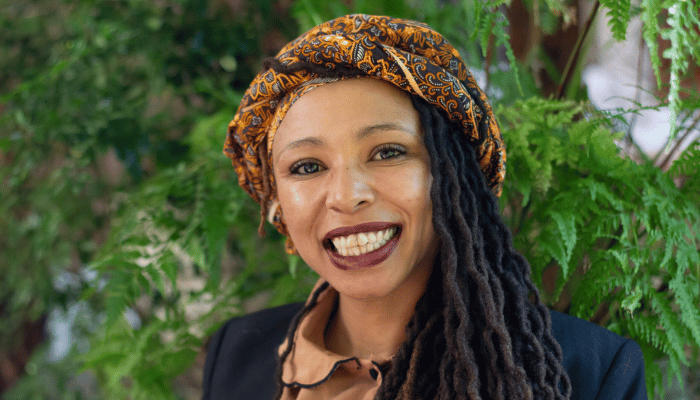
Greer Schoeman
South African public health and civil society professional
Greer Schoeman is a South African public health and civil society professional specialising in HIV prevention, gender equality, women’s rights, health policy, advocacy and civil society coordination. She holds an Honours degree in Gender Studies from the University of Cape Town and a Master’s degree in Social Policy from University College Cork, Ireland.
Schoeman has built her career around advancing women-centred HIV prevention and sexual and reproductive health and rights. From 2009 to 2013, she served as National Programme Manager for the SANAC Women’s Sector Secretariat, where she worked with women’s rights organisations across South Africa to strengthen their capacity to influence HIV and AIDS policy.
She subsequently worked with organisations including Africa Free on New HIV Infections (AfNHi), SANAC and the Anova Health Institute, developing expertise in health promotion, gender equality, HIV prevention and meaningful participation of women and girls.
Schoeman later served as National Coordinator of the SANAC Civil Society Forum, playing an important role in coordinating civil society’s engagement in South Africa’s HIV, TB and broader public-health response. During the COVID-19 pandemic, she represented the CSF in advocating for community-centred responses and stronger participation of civil society in national health interventions.
More recently, she served as Policy & Content Technical Lead in the Office of the Sherpa for C20 South Africa, supporting policy coordination and the development of civil society policy positions within South Africa’s G20 Presidency process. C20 South Africa has also identified her for participation in the C20 USA Working Group Coordinator team.
Her professional interests include gender-responsive health policy, HIV prevention, sexual and reproductive health and rights, women’s empowerment, health equity, social policy and meaningful civil society participation. Her advocacy has included promoting greater access to women-controlled HIV prevention technologies, including the dapivirine vaginal ring.
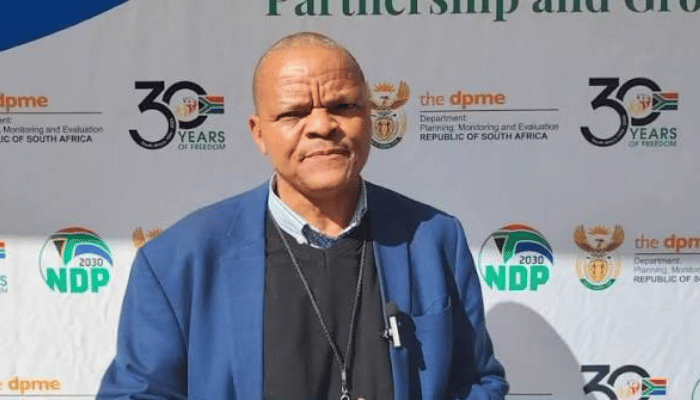
Dr Thulani Clifford Masilela
South African public health specialist
Dr Thulani Clifford Masilela is a South African public health specialist, clinical psychologist, health-systems expert and senior government official with extensive experience in district health systems, primary healthcare, policy development, monitoring and evaluation, and evidence-informed health policy.
He is a qualified and registered Clinical Psychologist and holds a Master of Arts in Clinical Psychology, a Postgraduate Diploma in Health Management, and a PhD in Public Health from the University of Cape Town, which he completed in 2023. His doctoral research examined how different forms of evidence are used in policymaking in South Africa’s health sector, with particular focus on the National Core Standards and prevention of mother-to-child transmission of HIV policies.
Dr Masilela has worked extensively in district health-system development, with his involvement dating back to the 1990s. Earlier in his career, he worked with the Health Systems Trust, where he contributed to strengthening district health systems and improving the delivery of quality healthcare at community level.
He subsequently joined the Department of Planning, Monitoring and Evaluation (DPME) in the Presidency, where he has served as an Outcomes Facilitator for Health and later as a Deputy Director-General responsible for Outcomes Monitoring and Evaluation. In this capacity, he has been involved in monitoring the health sector’s implementation of the National Development Plan (NDP), Medium-Term Strategic Frameworks (MTSF), primary healthcare priorities and Universal Health Coverage (UHC).
Dr Masilela is also a contributor to South Africa’s health policy and research discourse. He has published and participated in work on the District Health System, primary healthcare and the use of evidence in health policymaking. He has particularly advocated for stronger health-system performance, evidence-based decision-making and improved access to quality primary healthcare.
Dr Aquina Thulare
South African medical doctor
Dr Aquina Thulare is a South African medical doctor, public health specialist and health-policy expert with extensive experience in health economics, health financing, Universal Health Coverage (UHC) and National Health Insurance (NHI).
She holds an MBChB, BSc (Honours) in Reproductive Medicine, Master of Business Administration (MBA) and Master of Management in Public Policy. Although her initial training was clinical medicine, she moved into public policy and health economics in 2001.
Dr Thulare joined the National Department of Health in 2009 and has played a longstanding role in the development of South Africa’s NHI policy. As a Technical Advisor/Technical Specialist on Health Economics for NHI, her work has included health financing, health economics, NHI policy and legislative development, and the design of institutional arrangements for the NHI Fund. She also supported the Ministerial Advisory Committees involved in shaping the country’s NHI policy from its early stages.
Her expertise extends beyond South Africa. She has represented the country in global health and multilateral platforms, including WHO-related UHC structures, and has participated in international discussions on health financing and pandemic preparedness. She also played a role in South Africa’s COVID-19 response.
Dr Thulare has contributed to health research and policy literature, including research examining health inequalities and socioeconomic determinants of child health in South Africa and India. She also continues to contribute to international debate on sustainable health financing and UHC, including a 2026 BMJ article examining the implications of private finance for healthcare systems.
She has also served in health-sector governance roles, including as a Council Member of the Council for Medical Schemes, where her areas of expertise included medicine and health policy

Sibulele Sibaca-Nomnganga
South African global health advocate
Sibulele Sibaca-Nomnganga is a South African global health advocate, social entrepreneur, speaker and sexual and reproductive health rights (SRHR) activist, recognised for her longstanding work in HIV prevention, stigma reduction, gender equality and the empowerment of adolescent girls and young women.
Sibaca’s personal experience with HIV profoundly shaped her advocacy. She lost both of her parents to AIDS while she was still a teenager, an experience that motivated her to dedicate her career to challenging HIV-related stigma and improving access to information and services for young people.
She is the founder of Colour My HIV, a youth-led HIV prevention and empowerment campaign launched in South Africa in 2018. The initiative seeks to challenge HIV myths and misconceptions, reduce stigma and discrimination, promote human rights, and encourage greater political accountability around HIV prevention.
Sibaca is also the founder of Impact Drivers, where she works on advocacy, partnerships and communications, with a particular focus on sexual and reproductive health and rights, HIV and other infectious diseases, adolescent girls and young women, and women’s economic empowerment.
Her career has included international development and leadership roles, including work with Virgin Unite/Virgin Group, and she has collaborated with organisations including WHO, UNICEF, the Global Fund and Global Citizen. She has spoken at major international platforms, including the United Nations and International AIDS Conferences, advocating for the rights, health and wellbeing of girls and women in Africa.
Sibaca has also served on the Steering Committee of Africa Free of New HIV Infections (AfNHi) and has been involved in initiatives focused on adolescent girls and young women, including the HER Voice Fund.
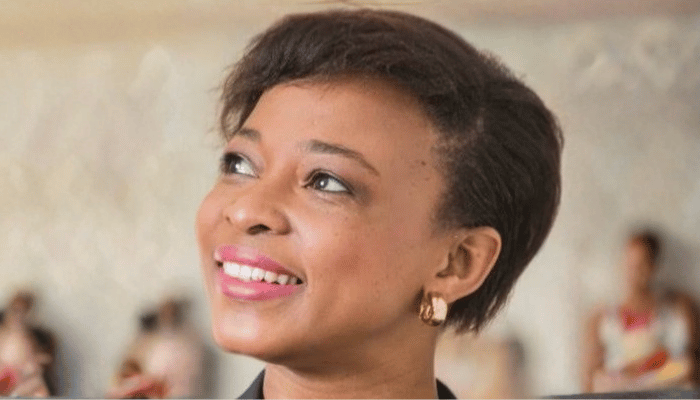
Dr Lwazi Manzi
South African medical doctor
Dr Lwazi Manzi is a South African medical doctor, emergency medicine specialist, health communications strategist, film producer and global health leader. Her career is distinguished by an unusual combination of clinical medicine, creative industries, strategic communications and public health leadership.
Dr Manzi qualified as a medical doctor from the University of Cape Town in 2006 and spent approximately 12 years working on the frontline of emergency medicine before transitioning into the film and television industry. She became an award-winning film producer and co-produced The Professionals, a major South African-Irish television co-production valued at approximately US$27 million. Her contribution to the South African film industry was recognised with a Special Discretionary Simon “Mabhunu” Sabela Award in 2017.
In 2019, Dr Manzi returned to the health sector when she was appointed Media Liaison Officer and spokesperson for the Minister of Health. In this role, she was at the centre of government communication around the introduction of the National Health Insurance (NHI) and subsequently became one of the prominent voices communicating South Africa’s response to the COVID-19 pandemic.
In June 2021, she was appointed Head of the Secretariat of the African Union Commission on Africa’s COVID-19 Response, supporting President Cyril Ramaphosa in his role as the AU Champion on COVID-19 and working within continental COVID-19 response structures.
Dr Manzi has continued to work at the intersection of health, policy, communications and leadership. She has also served as a board member of organisations working in global health and healthcare workforce development. In 2024, she joined the Seed Global Health Board, bringing expertise in frontline medicine, healthcare communication, pandemic response and continental health leadership.
She is also associated with the creative sector through Spier Films, where she is described as an award-winning film producer and media executive, with interests in cultural and gender diversity and transformation in South Africa’s film industry
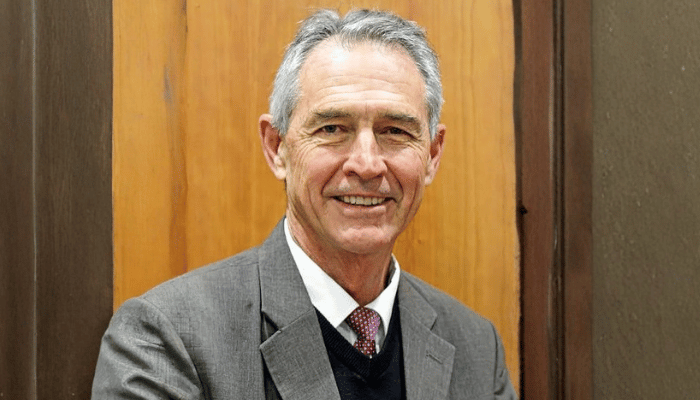
Professor Nicholas Crisp
South African medical doctor
Professor Nicholas Crisp is a South African medical doctor, public health medicine specialist and senior health-sector executive with approximately four decades of experience in health-system management, public health policy, health reform and Universal Health Coverage (UHC) across Africa. He is an Honorary Professor of Public Health Medicine at the University of Pretoria.
Prof. Crisp holds an MBChB from the University of Cape Town, a Master of Medicine in Community Health from the University of the Witwatersrand, and a Diploma in Occupational Health. He began his medical career in 1983, working in hospitals including 2 Military Hospital, Letaba Hospital and Shiluvana Hospital.
He subsequently held senior leadership positions in the public health system, including serving as Regional Director for Northern and Eastern Transvaal and later as Superintendent-General and Head of the Department of Health and Welfare in Limpopo, from 1995 to 1999.
After leaving government, Prof. Crisp established Benguela Health, through which he worked as a health-management consultant on projects across several African countries, including South Africa, Nigeria, Ghana, Lesotho, Botswana, Namibia and Tanzania. His work has included health-system strengthening, human resources, infrastructure and health-sector reform.
He has played a significant role in the development of South Africa’s health institutions. Among his contributions were involvement in establishing the National Health Laboratory Service (NHLS), the development of forensic pathology services, and the transformation of the Medicines Control Council into the South African Health Products Regulatory Authority (SAHPRA). He also served as Special Adviser to former Health Minister Barbara Hogan in 2009 and contributed to the establishment of Nigeria’s National AIDS Control Agency.
During the COVID-19 pandemic, Prof. Crisp was closely involved in South Africa’s national COVID-19 vaccination programme. He subsequently became Deputy Director-General: National Health Insurance (NHI) in the National Department of Health, where he is responsible for supporting the development of the governance and administrative capacity required to implement the NHI Fund.
In 2026, he continues to be a prominent voice in discussions on NHI implementation, health-system reform, health equity, UHC and strengthening healthcare delivery in South Africa. He also serves in an Acting Director-General capacity at the National Department of Health.
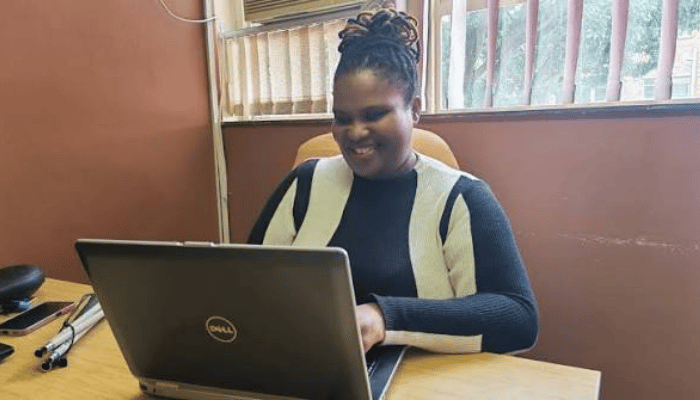
Thobeka Mthethwa
South African health and disability-sector professional and civil society contributor
Thobeka Mthethwa is a South African health and disability-sector professional and civil society contributor with experience in disability-inclusive health services and community engagement.
She is affiliated with the South African Disability Alliance (SADA) in Durban and was a contributing author to a 2025 peer-reviewed study on disability-inclusive and accessible health and post-GBV clinical services in South Africa. The research, supported by the South African Medical Research Council, focused on co-designing a disability awareness toolkit to improve the accessibility and inclusiveness of health services for people with disabilities.
Her work places her at the intersection of disability rights, health equity, gender-based violence, inclusive healthcare and civil society participation. Her involvement in the co-design process demonstrates an emphasis on ensuring that people with disabilities are meaningfully included in the development and improvement of healthcare services.
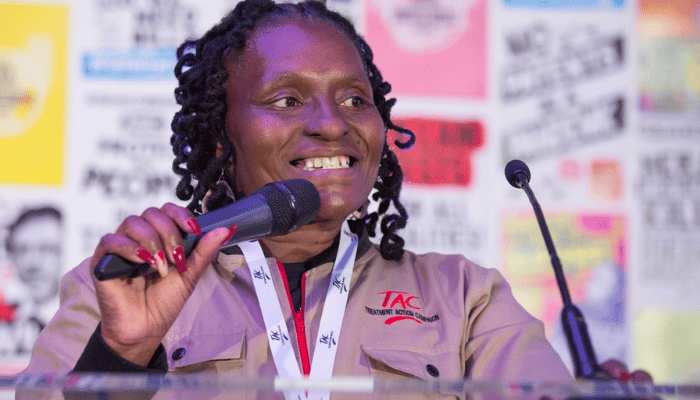
Sibongile Tshabalala
South African HIV and human-rights activist
Sibongile Tshabalala is a prominent South African HIV and human-rights activist, community leader and health advocate, best known for her leadership of the Treatment Action Campaign (TAC). She has been living openly with HIV for more than two decades and has used her lived experience to advocate for equitable access to HIV and TB prevention, treatment and care.
Tshabalala joined the Treatment Action Campaign in 2009 through its Vosloorus branch in Gauteng. She subsequently became Gauteng Provincial Chairperson, served as National Deputy General Secretary, and was elected National Chairperson in 2017. She continues to be identified by TAC as its National Chairperson.
As a leader within TAC, she has advocated strongly for access to quality HIV treatment, retention in care, human rights, health-system accountability and improved services for marginalised communities. She has also been involved in community monitoring initiatives such as Ritshidze, which uses community-generated evidence to identify problems in public health facilities and hold health authorities accountable.
Her advocacy extends beyond HIV to TB, women’s health, gender equality and broader social justice issues. She has been recognised internationally for her leadership and has participated in major global HIV and health-policy platforms. She is also a Deputy Chairperson of the Gauteng Provincial AIDS Council.
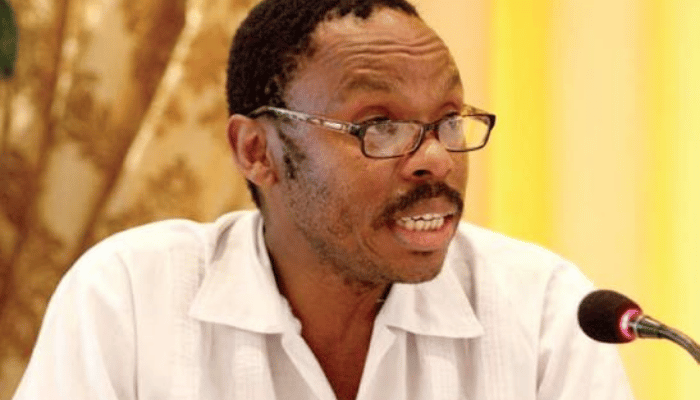
Tebogo Phadu
South African policy specialist, political economist, cooperative-development advocate and health-policy strategist
Tebogo Phadu is a South African policy specialist, political economist, cooperative-development advocate and health-policy strategist with a long-standing background in the labour movement and progressive public policy. He has worked extensively at the intersection of health policy, social transformation, economic development and working-class interests.
Phadu has a Senior Diploma in Political Economy and Philosophy from the USSR Academy of Social Sciences in Moscow and a Master’s degree in Social Sciences, specialising in Environmental Economics, from the London School of Economics. He has also been involved in cooperative development and served as General Secretary of the National Cooperative Association of South Africa (NCASA).
His professional career includes significant policy work within the African National Congress (ANC) and the labour movement. He served as a Policy Research Coordinator and later Director of Research in the Gauteng Office of the Premier, and previously headed health-policy work within the National Education, Health and Allied Workers’ Union (NEHAWU). He has been involved in policy development within the ANC since the mid-1990s.
Phadu has been particularly prominent in debates on South Africa’s National Health Insurance (NHI). He has contributed to the development and public defence of the NHI policy, arguing that universal healthcare is central to addressing South Africa’s deep inequalities in access to healthcare and health financing.
He is also a senior figure in the South African Communist Party (SACP). The SACP currently lists him as a member of its Central Committee and Politburo, and Secretary for Political Education. He continues to write and speak on political economy, working-class organisation, social transformation and the role of the state in development.
Phadu’s work in cooperative development has included supporting community-based cooperatives and promoting collective economic ownership, job creation, poverty reduction and community economic development. He currently serves as Managing Director of the Dora Tamana Cooperative Agency (DTCA).
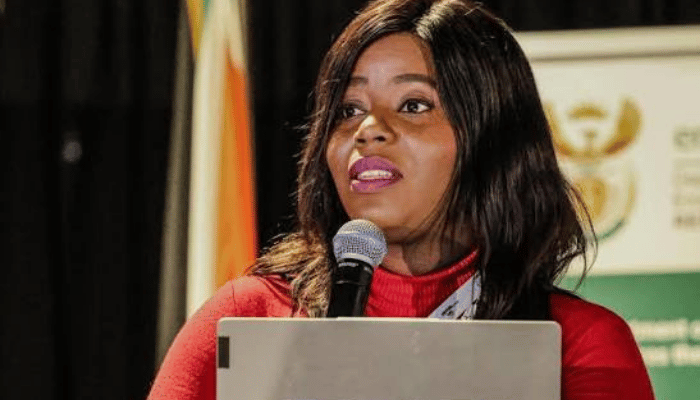
Ms Mulalo Murudi
South African HIV/AIDS and occupational health advocate, trade unionist and civil society leader
Ms Mulalo Murudi is a South African HIV/AIDS and occupational health advocate, trade unionist and civil society leader with experience at the intersection of HIV, TB, workplace health, labour rights and public health policy.
She serves as the HIV/AIDS Health and Safety Coordinator at the Congress of South African Trade Unions (COSATU), where her work focuses on strengthening the role of organised labour in addressing HIV/AIDS, TB and occupational health and safety among workers.
Murudi has also played a significant role in the South African National AIDS Council (SANAC) Civil Society Forum, representing the labour constituency. In 2024, she was elected Co-Chairperson of the South African Country Coordinating Mechanism (CCM) for the Global Fund, placing her in a key governance position overseeing civil-society participation in South Africa’s Global Fund-supported HIV and TB response.
Her advocacy includes promoting TB prevention and treatment among workers, workplace health and safety, sustainable HIV and TB financing, and meaningful participation of organised labour in national health programmes. In 2026, she highlighted the importance of sustainable financing beyond donor support and spoke about the Global Fund’s contribution to South Africa’s HIV and TB programmes, including the rollout of innovative HIV prevention technologies such as lenacapavir.
In addition to her civil society and labour-sector leadership, Murudi was appointed to South Africa’s Compensation Fund Advisory Board in December 2025, further reflecting her involvement in worker health and social protection
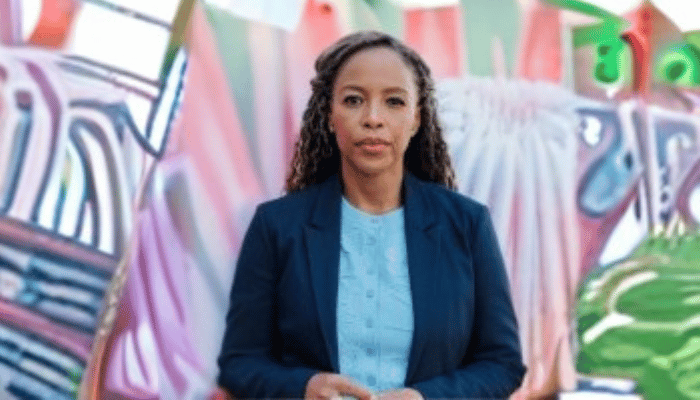
Nothemba Kula
South African public health and international development specialist
Nothemba Kula is a South African public health and international development specialist with more than 15 years of experience in health systems strengthening, policy development, programme implementation, quality improvement and health-sector partnerships. She currently serves as PATH’s Country Representative for South Africa and Director of Partnership Liaison for the Africa Region, where she leads strategic partnerships, stakeholder engagement and resource mobilisation.
She holds a Master of Public Health in Health Services Management from the London School of Hygiene & Tropical Medicine, a Master of Science in Bioinformatics from the University of the Western Cape, and an MSc in Microbiology and BSc from the University of Fort Hare.
Prior to joining PATH, Kula worked with major development and public-sector institutions, including the World Bank, UK Department for International Development (DFID), Southern African Development Community (SADC) and the South African National Department of Health. She has provided technical assistance on national and regional health programmes across Southern Africa.
She has particularly strong expertise in TB and HIV programmes, health systems, public-private partnerships, grants management and health programme implementation. Most recently before joining PATH, she served as Deputy Chief of Party for the USAID-funded TB South Africa Project, providing technical oversight for nationwide TB programme implementation.
Kula is also a published researcher. Her work has examined public-private interactions in South African healthcare, health-system strengthening and evidence-informed approaches to health policies.